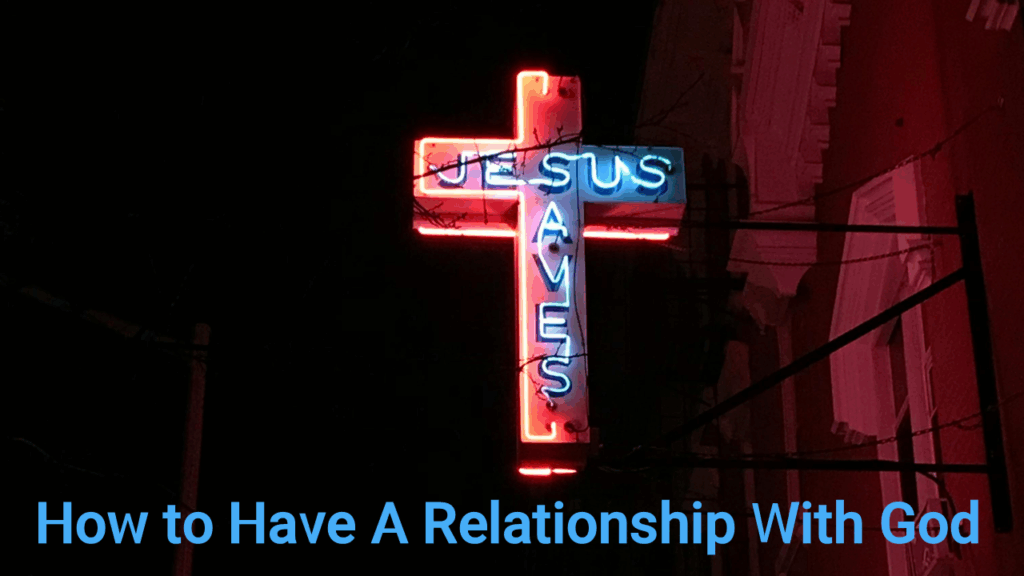
Premise 1: The Most Important Relationship You Can Ever Have Is With God
So God created man in his own image,
Genesis 1:27
in the image of God he created him;
male and female he created them.
Have you ever wondered why mankind is the one of the 8.7 million species on Earth that is capable of abstract thought. Only mankind is capable of asking big questions about existence, mortality, and eternity. The profound difference between humanity and all other species lies not merely in the evolution of a larger or more specialized brain. Rather, being made in the image of God refers to the immaterial aspect of human nature—expressed through philosophical reasoning, moral judgment, The lion may rule the savanna and the eagle may soar in the skies, but neither contemplates its place in the cosmos. Only mankind looks upward and asks, Why am I here? Where am I going?
What makes us different? The answer is found in the two most mysterious aspects of human nature: our conscience and our soul.
Our ability to reason abstractly, to reflect morally, and to yearn spiritually are not accidents of evolution, nor survival tools alone. They are signposts pointing us back to our origin. The Scriptures give the clearest answer: we are made in the image of God (Genesis 1:27). Unlike any other creature, mankind was chosen for relationship with Him—to know Him, to love Him, and to reflect His character in the world.
The very fact that we hunger for justice, long for purpose, and ache for eternity suggests that such things exist—or else we would not desire them. St. Augustine said it even more simply: “You have made us for Yourself, O Lord, and our hearts are restless until they rest in You.”
This is why we feel the weight of eternity pressing on our finite lives. This is why death troubles us, while animals accept it as instinct. This is why conscience pricks us when we do wrong. These are not flaws—they are fingerprints. God stamped His image upon us so that we would seek Him.
Premise 2: Sin Has Broken Our Relationship With God
But your iniquities have made a separation
Isaiah 59:2
between you and your God,
and your sins have hidden his face from you
so that he does not hear.
Mankind’s greatest deficiency is his limited grasp of how perfectly righteous God is and how deeply sinful man is. The defining characteristic of God—the very essence of what makes God truly God—is His infinitude. Simply stated, every attribute of God exists in infinite measure, both in quality and in quantity. When Scripture declares in 1 John that “God is love,” it is not describing a love that is partial or fleeting, but a love that is boundless, immeasurable, and inexhaustible. The same is true of His power, majesty, wisdom, and righteousness.
The Bible teaches that humanity can grasp the concept of God’s this divine infinitude just by looking at creation itself. The natural world, with its flawless design and precise physical laws, serves as a reflection of God’s infinite attributes. As Paul writes in Romans 1:18–21, God’s power and divine nature are clearly seen through what He has made. Yet despite this continual display—visible every moment of every day—mankind’s tendency is to reject Him, choosing instead to enthrone himself as his own god. In doing so, man blinds himself to the majesty that creation so vividly proclaims.
For the wrath of God is revealed from heaven against all ungodliness and unrighteousness of men, who by their unrighteousness suppress the truth. For what can be known about God is plain to them, because God has shown it to them. For his invisible attributes, namely, his eternal power and divine nature, have been clearly perceived, ever since the creation of the world, in the things that have been made. So they are without excuse. For although they knew God, they did not honor him as God or give thanks to him, but they became futile in their thinking, and their foolish hearts were darkened.
Romans 1:18-21
Mankind’s downfall is because of his refusal to acknowledge the infinite gap between God’s perfect righteousness and his own sinfulness. The Apostle Paul states plainly that God’s glory is clearly perceived in the intricacy of design, the intelligence contained in the atom or DNA and the precision of the laws of physics all point directly to God’s awesome eternal power and divine nature. But instead of honoring it, being thankful for it, and giving God proper credit for it man’s refusal to do these things darkens his heart.
This is not a small mistake; it is a lethal misunderstanding. By distorting God’s holiness and overlooking our own guilt, we blind ourselves to the very Gospel that could save us. Left unacknowledged and unresolved, this error does more than cloud our understanding—it separates us from God for eternity.
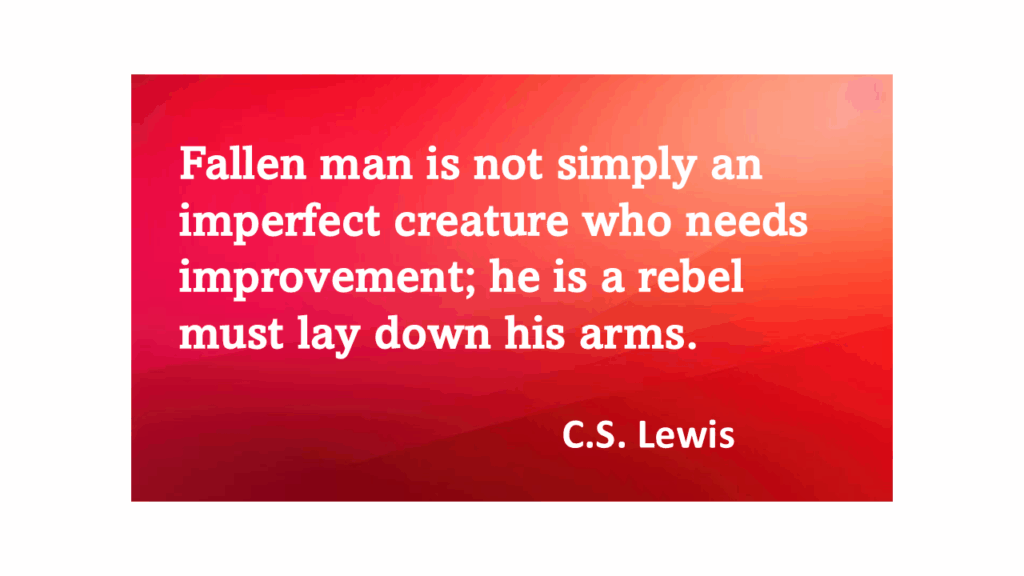
Another lethal misunderstanding that even Christians sometimes make is thinking that individual sins such as theft, lying, sexual immorality, or adultery are the crimes that separate people from God. The Bible says that as bad as those sins are in the way they harm the individual and others made in God’s image , these are just symptoms of a greater problem. The real problem is the exalted posture of mankind’s heart. We as finite creatures think we can arbitrarily disobey, question, or ignore the Infinite God who created us and everything in the Universe. What’s worse is when mankind creates it’s own morality and ignores the instructions and standards God commands. This is like if a birthday candle tried to tell the sun how to light the world properly. This is cosmic rebellion.
The Bad, Bad News
God’s character is absolute—He hates sin infinitely and loves righteousness infinitely. From the very beginning, God warned Adam and Eve that sin would bring death. Throughout the Bible, we are reminded that rebellion against an infinitely holy God is no small matter; it carries the penalty of death. This is not only a physical death but also a spiritual death—eternal separation from God and from every good gift that flows from His presence.
The Apostle Paul later confirmed this truth in the New Testament: “The wages of sin is death” (Romans 6:23). The sentence is clear, universal, and non-negotiable. Here are other Scriptures that reinforce this legally binding statute.
Scriptures on the Penalty of Sin
| Reference | Scripture (ESV) | Key Point |
|---|---|---|
| Genesis 2:16–17 | “And the Lord God commanded the man, saying, ‘You may surely eat of every tree of the garden, but of the tree of the knowledge of good and evil you shall not eat, for in the day that you eat of it you shall surely die.’” | God’s first warning: disobedience brings death. |
| Genesis 3:19 | “By the sweat of your face you shall eat bread, till you return to the ground, for out of it you were taken; for you are dust, and to dust you shall return.” | Physical death enters the world as the result of sin. |
| Ezekiel 18:4 | “Behold, all souls are mine; the soul of the father as well as the soul of the son is mine: the soul who sins shall die.” | Individual accountability: sin brings death. |
| Romans 5:12 | “Therefore, just as sin came into the world through one man, and death through sin, and so death spread to all men because all sinned…” | Adam’s sin introduced death to all humanity. |
| Romans 6:23 | “For the wages of sin is death, but the free gift of God is eternal life in Christ Jesus our Lord.” | Sin earns death; God offers life through Christ. |
| James 1:15 | “Then desire when it has conceived gives birth to sin, and sin when it is fully grown brings forth death.” | Sin’s natural end is death. |
In case anyone should imagine that this legally binding sentence does not apply to them, the Apostle Paul removes all doubt. In Romans 3:23 he writes: “For everyone has sinned; we all fall short of God’s glorious standard.” No exceptions, no loopholes—every person who has ever lived has rebelled against God in one way or another.
Maybe the most tragic for unbelievers besides having broken fellowship with the God who created them is the fact that despite the witness of nature, and their own conscience’s repeated warnings they are oblivious to the fact that they are literally sitting on death row. That there sin carries the maximum sentence and that at any moment they could die and stand before the infinitely righteous God.
It is appointed for man to die once, and after that comes judgment
Hebrews 9:27
Perhaps now we can begin to see John 3:16 in a clearer light: “For God so loved the world, that He gave His only begotten Son, that whoever believes in Him should not perish but have eternal life.” Many struggle with the idea of God sending His innocent Son to die on a cross for those who rebel against Him. What is often overlooked is the profound tension contained in this verse.
On one hand, God infinitely hates our rebellion; on the other, He infinitely loves us and desires that we spend eternity with Him in a blessed relationship. To resolve this tension, God sent His Son—who willingly came—to satisfy the righteous penalty of our sin. The cross stands as the perfect symbol of this divine paradox: God’s infinite wrath against sin fully revealed, and His infinite love for sinners fully expressed.
But he was pierced for our transgressions;
Isaiah 53:5-6
he was crushed for our iniquities;
upon him was the chastisement that brought us peace,
and with his wounds we are healed.
All we like sheep have gone astray;
we have turned—every one—to his own way;
and the Lord has laid on him
the iniquity of us all.
The first step toward a relationship with God begins with a change of mind—about who He truly is and who we truly are. It requires humility: the willingness to stop suppressing the truth that Romans 1 declares about both God’s majesty and our own sinfulness. If we remain stubborn, refusing to acknowledge these realities and rejecting the gift of His Son’s sacrifice, then no remedy for our guilt remains. We will stand fully accountable before a holy and righteous God.
Premise 3: The Best News Ever
The word “Gospel” appears about 100 times in the New Testament and literally means “Good News” from the original Greek word euangelion. In the Old Testament, this word-picture was used of a messenger running toward the city walls, shouting the announcement that a great battle had been won or that an enemy had been defeated. The watchmen would see him coming, and the whole city would rejoice at his news of victory and peace.
How beautiful on the mountains
Isaiah 52:7
are the feet of the messenger who brings good news,
the good news of peace and salvation
In the same way, the Gospel in the New Testament is the good news that Jesus Christ, the Son of God, came to earth to save sinners. He lived a perfect life—something no one else could do—and then willingly gave that life as a ransom on the cross. By doing so, He paid the penalty of death that hung over each of us, satisfying the legal demands of God’s law and appeasing His holy wrath against sin and rebellion.
As amazing as God’s free offer of salvation, the forgiveness of sins, and the gift of eternal life truly is—the greatest prize is reconciliation and peace with our Creator, a reality that begins immediately and lasts forever. Even more, through Christ we are welcomed into God’s own family. The Bible describes this in the language of adoption: believers are not only forgiven, but made sons and daughters of God.
Yet to all who did receive him, to those who believed in his name,
John 1:12
He gave the right to become children of God
Justification and adoption are two sides of what God offers in Christ. Justification means that when a person trusts in Jesus, God declares them forgiven and righteous in His sight. It solves the legal problem of sin—our guilt before a holy God is removed because Jesus bore the penalty on the cross.
But the gospel doesn’t stop there. Adoption goes even further. God not only clears our record, He brings us into His own family. We are no longer outsiders or enemies, but sons and daughters with full rights of belonging.
Think of it this way: it’s one thing for a judge to pardon a guilty criminal—that’s justification. But it’s another thing for that same judge to then take the former criminal home, give him his last name, make him an heir, and love him as a child—that’s adoption. That is the “real prize” of salvation: intimacy with God, the security of His love, and the promise of sharing in His eternal inheritance.
New Testament On Adoption & Being Made Co-Heirs With Christ
| Reference | Key Phrase / Concept | What It Teaches About Adoption |
|---|---|---|
| John 1:12–13 | “To all who received Him… He gave the right to become children of God.” | Believers are given a new identity as God’s children through faith in Christ. |
| Romans 8:14–17 | “All who are led by the Spirit of God are sons of God… The Spirit Himself bears witness… if children, then heirs—heirs of God and fellow heirs with Christ.” | Adoption is confirmed by the Spirit; believers share Christ’s inheritance. |
| Romans 8:23 | “We wait eagerly for adoption as sons, the redemption of our bodies.” | Adoption is both present (spiritual) and future (completed in resurrection). |
| Galatians 3:26–29 | “For in Christ Jesus you are all sons of God, through faith… If you are Christ’s, then you are Abraham’s offspring, heirs according to promise.” | Faith in Christ unites all believers into God’s family and inheritance. |
| Galatians 4:4–7 | “God sent forth His Son… so that we might receive adoption as sons… and if a son, then an heir through God.” | Adoption was God’s eternal plan, accomplished through Christ. |
| Ephesians 1:4–5 | “In love He predestined us for adoption to Himself as sons through Jesus Christ.” | Adoption flows from God’s love and sovereign plan before creation. |
| Ephesians 2:19 | “You are no longer strangers and aliens, but… members of the household of God.” | Adoption makes us part of God’s family and household. |
| Philippians 3:20–21 | “Our citizenship is in heaven… He will transform our lowly body.” | Adoption includes the promise of future glory as God’s children. |
| Hebrews 2:10–12 | “He is not ashamed to call them brothers.” | Christ Himself identifies believers as His siblings within God’s family. |
| 1 John 3:1–2 | “See what kind of love the Father has given… that we should be called children of God; and so we are.” | Adoption is present reality and future hope, revealing God’s love. |
| Revelation 21:7 | “The one who conquers will have this heritage, and I will be his God and he will be My son.” | Final fulfillment of adoption: eternal inheritance with God. |
Adoption is the highest privilege that the gospel offers: higher even than justification. To be right with God the Judge is a great thing, but to be loved and cared for by God the Father is greater.
J.I Packer—Knowing God
Now you can see why the Gospel is called good news! Imagine the headline:
“God Offers Peace to Rebels—Including Life Forever with Him as Family.”
That is the heart of the message. In the Gospel, God’s infinite love makes a way to satisfy His infinite justice. And the offer comes freely—paid in full by Christ. All that remains is for us to believe, to accept this gift, and to begin seeing life from our Father’s perspective. From that moment on, everything changes: peace replaces rebellion, family replaces alienation, and hope replaces fear.
Premise 4: God’s Invitation to Believe and Repent
Behold, I stand at the door and knock. If anyone hears my voice and opens the door,
Revelation 3:20
I will come in to him and eat with him, and he with me.
In this passage, Jesus is extending a personal invitation to anyone who feels Him knocking on the door of their heart: be reconciled to God through Him. God desires that all would be saved, and He takes no pleasure in anyone perishing without accepting His offer. If a person spends eternity separated from God in hell, it will not be because God chose it for them—it will be because they chose it for themselves by rejecting His invitation.
God has revealed Himself to us through Creation itself, with its beauty, order, and precise physical laws, testifies to His existence. He also sent His Son, Jesus, who history confirms truly lived and was known even among secular historians for works and wonders that could not be naturally explained. Jesus really did die on the cross, just as the prophet Isaiah miraculously described in stunning detail 700 years earlier in Isaiah 53—long before crucifixion even existed as a form of execution. And just as He promised, three days later He rose from the dead. The risen Christ was seen by more than 500 witnesses, many of whom were still alive at the time and could have denied it had it been false. Our own conscience bears witness that we are sinners and we know instinctively that this life is not all there is.
3 Questions That Have To Be Answered
- Will we stop being our own god?
- Are we willing to turn away from sin as best we can and turn towards Him?
- Will we place our faith in Jesus as the Son of God who died for the forgiveness of sins, and rose again?
God has given clear instructions on how to be saved:
If you confess with your mouth that Jesus is Lord and believe in your heart
Romans 10:9-10
that God raised him from the dead, you will be saved. For with the heart
one believes and is justified, and with the mouth one confesses and is saved.
Three Steps That Have To Be Taken
- Confess—this word means to admit. We first need to admit to God that Jesus is Lord and we aren’t. We have lived as though we were in charge, and that we knew best what was right and wrong, and every decision was made without even acknowledging God as creator, provider, and sustainer.
If we confess our sins, he is faithful and just to forgive us
1 John 1:9
our sins and to cleanse us from all unrighteousness.
2. Repent—repent means to change our mind. It means to completely change directions. It means to turn away from sin and towards God. It doesn’t mean sinless perfection, it means a change of mind, heart, and attitude about sin and what it does to our own person, others, and especially God.
I tell you, there will be more joy in heaven over one sinner who repents
Luke 15:7
3. Believe—Part 1: to believe or place faith in starts with believing what God says about Jesus as Savior and Lord.
- Jesus is the son of God.
- Jesus died on the cross for the forgiveness of sins.
- Jesus rose on the 3rd day just as the Scripture says.
Believe—Part 2: Means to put your full confidence in Jesus as the only way of salvation and eternal life. It’s believing that there is no other way to be forgiven, reconciled or obtain eternal life apart from the finished work of Christ on the cross.
Romans 10:9-10 says if you do these 3 things from the heart with the reverence a decision like this deserves that “You will be saved”. God tells us exactly how to be saved, and how to know for sure we are saved. What a merciful and wonderful God, what is man that He is so mindful of us. If you are ready to receive Christ free offer of salvation then you can pray to God to let Him know you Confess, Repent, and Believe in Him as your savior and Lord in your own words.
Making a commitment to Christ is a solemn thing in the sense that it should be thought through, and carefully considered. God will only save a person if they are sincere and have committed to Him on the deepest heart level. If this is where you are then here is a pray that you can use as a model on how to ask God to save you.
“God, I know I am a sinner and cannot save myself. I believe Jesus Christ died for my sins
and rose again. I turn from my sin and place my trust in Him as my Lord and Savior. Thank
You for forgiving me and giving me eternal life. Help me follow You from this day forward. Amen.”
Welcome!
By trusting in Jesus Christ, you’ve begun the most important journey of your life. You are now forgiven, loved, and part of God’s family. This new life in Christ is not about rules or religion—it’s about a relationship with the God who created you and has promised to walk with you every step of the way.
Please click on this “What to Do Next” link for more resources to help you progress on your journey with God. If you are still not sure and need to talk to someone about questions you have please click Talk to a Live Person.