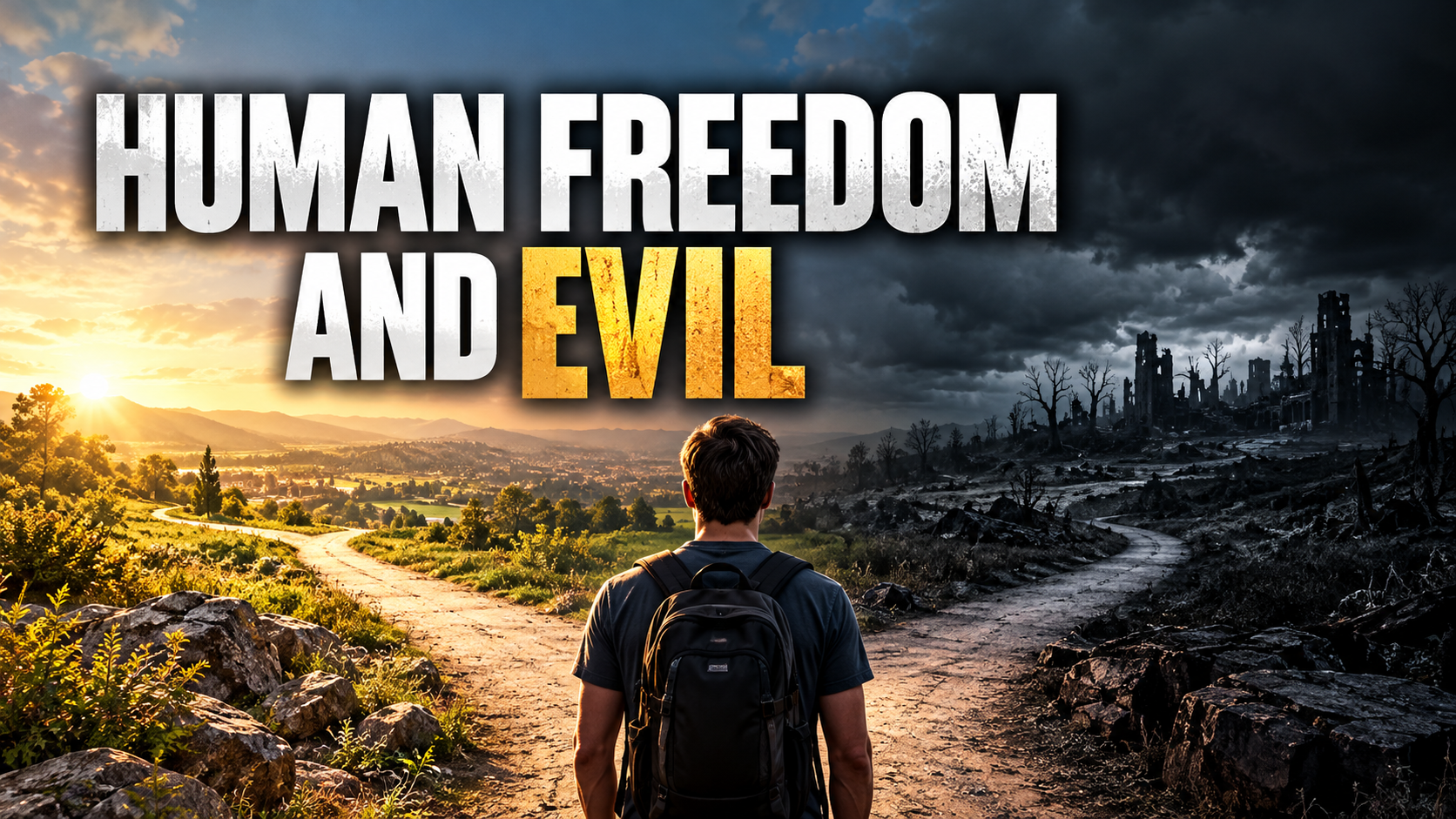
A key strategy in effective apologetics is building a cumulative case—using multiple lines of evidence that reinforce one another while remaining capable of standing on their own. Together, they form a strong overall case. But each individual point should also be clear and compelling enough to challenge an opposing argument when considered on its own.
Ready Responses are designed with this approach in mind. Each response is a concise, memorable Truth Bullet—a key fact, question, or line of reasoning you can introduce into a conversation. You don’t need to deliver an entire argument at once. Sometimes one well-placed truth is enough to challenge an assumption, expose a weakness, or give someone a reason to reconsider what they believe.
Skeptics often raise difficult questions about creation, the universe, God, and the Bible. Ready Responses gives you concise answers, memorable Truth Bullets, key Scriptures or Quotes to help you understand the issue and explain what you believe in your own words.
Purpose: You don’t need to memorize an argument. Learn the key ideas well enough to explain them in your own words.
God Did Not Create Evil—He Created the Possibility of Evil
Response
Scripture tells us that everything God created was good (Genesis 1:31). Evil was not something God manufactured or placed within His creation.
Instead, God created human beings with the freedom to make meaningful moral choices. Evil entered human experience when that freedom was misused.
Just as darkness is the absence of light, moral evil can be understood as the corruption or absence of the goodness God intended.
Truth Bullet
God created the possibility of evil by giving mankind moral freedom. Mankind made evil a reality by choosing to misuse that freedom.
Helpful Quote
“”Everyone who does evil is the cause of his own evildoing
Augustine of Hippo—On The Choice of the Will
Challenge Question:If God gave us the freedom to choose between right and wrong, should He be blamed when we choose to do wrong?
God Could Have Created a Perfectly Moral Humanity—But at Tremendous Cost
Response
God could have created human beings who automatically performed only good actions. But such beings would lack the meaningful freedom to choose love, obedience, and goodness.
Consider a robot programmed to say “I love you.” Its words might sound sincere, but they would carry little meaning because the robot could never choose otherwise.
Likewise, love and obedience are most meaningful when they are freely given rather than mechanically compelled.
Truth Bullet
A world without the possibility of moral evil could come at the cost of genuine freedom, meaningful love, and freely chosen obedience.
Helpful Quote
“Free will, though it makes evil possible, is also the only thing that makes possible any love or goodness or joy worth having.”
— C. S. Lewis, Mere Christianity
Challenge Question: Would love and obedience have the same meaning if human beings were programmed to perform them and had no freedom to choose otherwise?
The Potential for Evil Is What Makes Virtue Possible
Response
Some of humanity’s greatest virtues become evident when individuals freely choose goodness despite the temptation or opportunity to do otherwise.
Consider these examples:
- Courage is demonstrated when someone confronts danger rather than fleeing.
- Forgiveness is demonstrated when someone chooses mercy instead of revenge.
- Honesty is demonstrated when telling a lie would be easier.
- Loyalty is demonstrated when abandoning someone would be more convenient.
- Self-sacrifice is demonstrated when someone puts another person’s welfare ahead of personal safety.
The freedom that makes cruelty, betrayal, and selfishness possible also allows human beings to demonstrate extraordinary compassion, faithfulness, and sacrifice.
Truth Bullet
The same moral freedom that makes evil possible also makes extraordinary goodness and virtue possible.
Helpful Scripture
“Be not overcome of evil, but overcome evil with good.” (KJV)
Romans 12:21
Helpful Quote
“The bad will is the cause of the bad action”
Augustine of Hippo—The City of God
Challenge Question: If human beings never had the opportunity to choose selfishness, betrayal, or cowardice, how could they demonstrate genuine self-sacrifice, loyalty, or courage?
If a Creature Is Free to Be Good, It Must Also Be Free to Be Bad
Response
Meaningful moral freedom necessarily includes the possibility of choosing wrongly.
A person cannot be genuinely free to accept or reject something if rejection is impossible.
This helps explain why asking God to create morally free creatures who are incapable of making wrong choices presents a logical contradiction under this understanding of freedom.
God’s omnipotence means He can accomplish everything that is logically possible. It does not require Him to make contradictions true.
God created human beings capable of choosing goodness, but He did not force them to make that choice.
Truth Bullet
Freedom to choose good necessarily includes the possibility of choosing evil. A meaningful “yes” requires the freedom to say “no.”
Helpful Quote
“If a thing is free to be good it’s also free to be bad.”
C.S Lewis—Mere Christianity
Challenge Question: Is it logically possible for God to create someone who is genuinely free to choose between good and evil while simultaneously making it impossible for that person to choose evil?